


Simple Pool Care with Quality Products
The HF Clarity range offers a straightforward and budget friendly option for pool maintenance. Developed by Bayrol and branded by Lighthouse, this exclusive range is available only to the UK pool trade.
Designed with cost-conscious buyers in mind, Clarity provides the same high-quality products as any premium brand. Clarity is simple, effective, and affordable. You can expect full support from the Lighthouse team, including a wide range of promotional materials to help you showcase Clarity to your customers.
To make pool maintenance easy, we have broken the procedures down into four simple steps:


Clarity Step 1 - Balancers
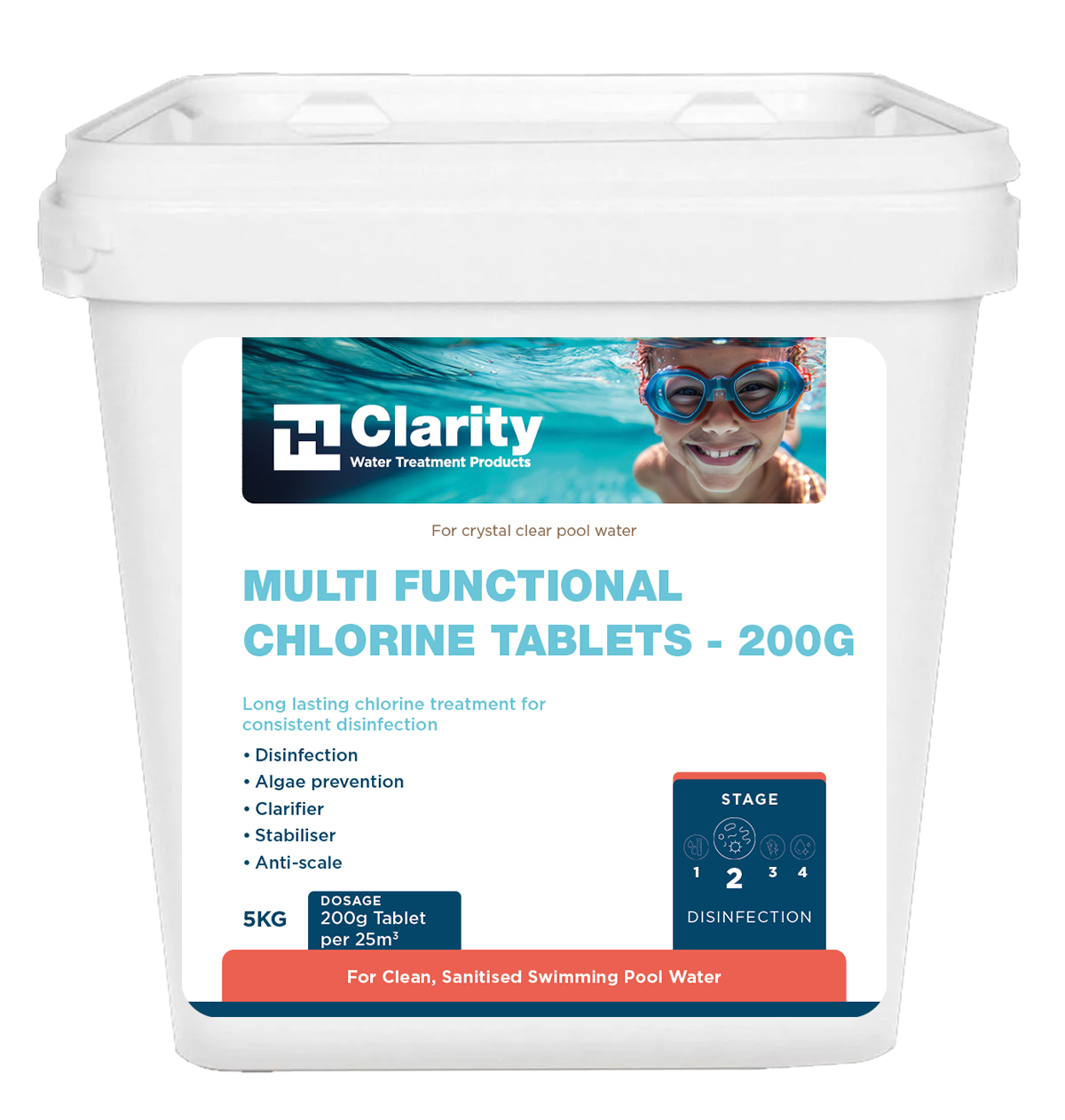
Clarity Step 2 - Disinfection
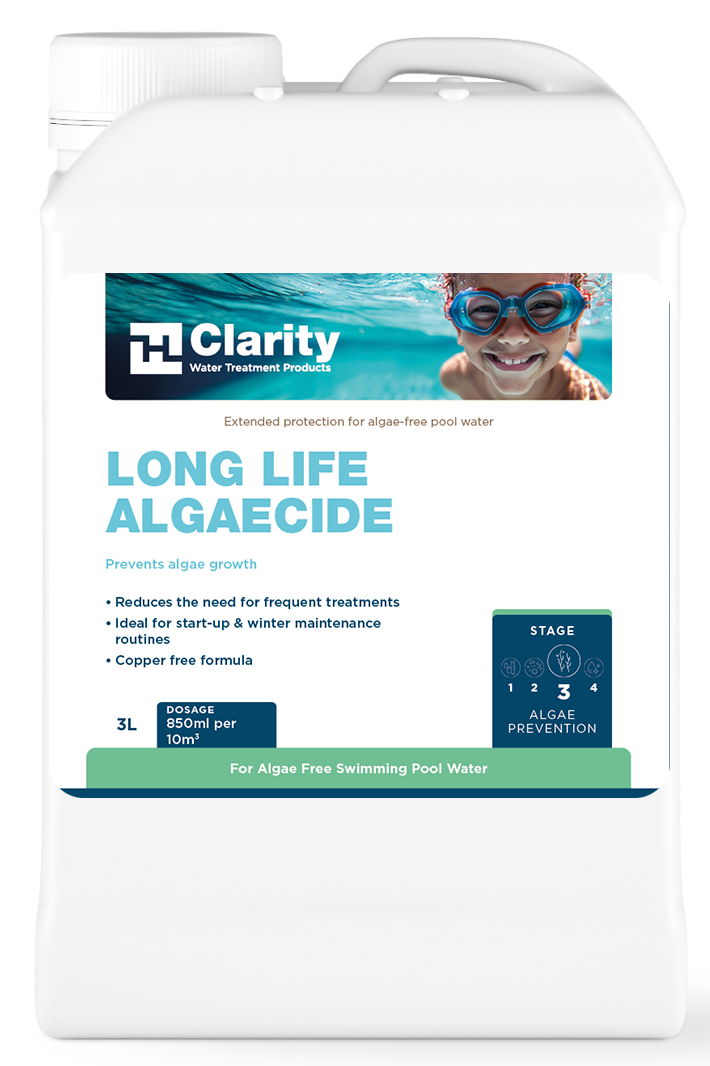
Clarity Step 3 - Algae Prevention

Clarity Step 4 - Clarification

Step 1 - Water Balance
To create a healthy, safe and comfortable swimming environment, the pool water must first be balanced:
Purpose: Maintaining ideal levels for pH and total alkalinity (TA) ensures balanced and stable swimming pool water.
Why it matters: Balanced water prevents corrosion and scaling and optimises the sanitiser effectiveness whilst keeping the water comfortable for swimmers.
Total Alkalinity (TA)
TA measures the water’s ability to neutralise acids, which keeps the pH steady. Alkalinity acts as a buffer for pH, helping to keep it stable. If TA is lower than 80mg/l then the pH will bounce and fluctuate making it difficult to adjust. You should, therefore, always ensure the TA is at the correct level before adjusting the pH.
pH
Test the water and adjust the water balance first. The pH of pool water affects swimmer comfort and sanitiser efficiency. The recommended level for pH is 7.0 – 7.4. T as this is the optimum range that will allow chlorine sanitisers to work efficiently, protect the pool equipment and surfaces and create the most pleasant swimming conditions.
Step 2 - Disinfection
Purpose: For clean, sanitised swimming pool water
Common agents: Chlorine, bromine
Why it matters: Keeps swimmers safe, reduces organic contaminants that can cloud the water and prevents the buildup of odours caused by organic waste.
HF Clarity supplies you with the two most popular methods of pool water disinfection: chlorine and bromine. Stabilised Chlorine is available as a fast-dissolving granular product or larger, slower dissolving tablets. The stabilising element (cyanuric acid) protects the chlorine against sunlight-mediated degradation, thus prolonging its effectiveness in sanitising the pool water.
Step 3 - Algae Prevention
Purpose: For algae free swimming pool water
How it’s done: Regular use of algaecides and maintaining proper sanitiser levels
Why it matters: Algae can turn the pool green and cloudy and make pool surfaces slippery. Remember - Prevention is more cost effective and time efficient than cure!
Algae prevention in swimming pools is a crucial part of water maintenance. Algae are microscopic plants that thrive in warm, poorly sanitised water. They can quickly turn a clean pool green, particularly if sanitiser levels have dropped with high bather load and warm stormy weather. Using copper free algaecide helps to prevent algae forming without the risk of staining or foaming. It’s much more cost effective and less time consuming to prevent algae than to treat a full infestation. Plus, if algae aren’t an issue your sanitiser and shock treatments stay more effective. Investing in a good algaecide is a smart move for long term pool health.
Step 4 - Clarification
Purpose: For clear and sparkling swimming pool water
How it’s done: Using a decent filtration system alongside a flocculant.
Why it matters: For safety reasons ,the bottom of the pool needs to be visible. Clear and sparkling water is visually appealing and will create a more inviting experience for swimmers.
Cloudy pool water can result from filtration issues, imbalanced chemicals (especially pH and chlorine), environmental debris such as pollen or leaves and algae growth. Regular testing, a good backwash regime and proactive maintenance can help prevent these common pool complaints. However, to clear or prevent cloudiness, use a Clarity Floc Cartridge in the skimmer basket. The cartridge binds the tiny particles that causes the cloudiness, making them large enough for the filter to capture and remove. Once the filter is backwashed, these particles are flushed out of the pool system, restoring clarity.
FAQs
What is the most important part of pool water treatment?
1
The most important starting point is balanced water. In practice, this means keeping pH in the correct range and maintaining an effective sanitiser level. If the water is unbalanced, disinfectants work less efficiently and the pool can become cloudy, irritating or damaging to surfaces and equipment.
What pH level should a domestic pool be kept at?
2
For most domestic pools, the ideal pH range is about 7.0 to 7.4. Low pH can make the water corrosive and uncomfortable, while high pH reduces sanitiser efficiency and can lead to cloudy water and scaling. When outside of the range 7.0 – 7.4 skin and eye irritation can occur. Always adjust the TA before adjusting the pH. If the pH is low, use Clarity pH Plus to increase the level. If the pH is high, use Clarity pH Minus to decrease the pH level.
Why does total alkalinity matter?
3
Total alkalinity helps stabilise pH and reduces rapid swings. A practical target for many home pools is around 80 to 160 ppm, depending on the system and source guidance used. If alkalinity is too low, pH can become unstable; if it is too high, the water can become harder to adjust and may encourage scale or cloudy conditions. Always adjust the TA first, before adjusting the pH.
How do I reduce the total alkalinity?
4
To lower total alkalinity, use Clarity pH Minus but rather than spreading it evenly around the pool, addition should be concentrated in one spot. Into a bucket of water add pH Minus, stir to dissolve. Then add the whole bucket slowly at the deep end of the pool. Ensure that the pump is running to circulate the chemicals. Note that this will also have an effect on the pH of the pool water so bring the TA to within recommended levels prior to adjusting the pH.
Does calcium hardness matter in a domestic pool?
5
Yes. Calcium hardness affects whether the water is likely to be corrosive or scale-forming. A common minimum practical level is around 200 ppm. Very low hardness can contribute to corrosion or surface damage, while very high hardness can increase scaling and cloudiness. In practice the calcium hardness level is limited by the hardness of the incoming water. Soft water can be made harder by using a calcium based sanitiser such as Chlorine Shock Granules (Chloryte). Hard water should not be softened, but the addition of a product such as Calcinex from BAYROL will prevent scaling issues on pool surrounds and slatted covers.
What sanitiser options are commonly used in domestic pools?
6
Chlorine is the most common sanitiser for home pools because it is effective and widely available. Bromine is also used, especially where warmer water is involved. Salt systems do not eliminate chlorine; they generate it from salt in the water. Active oxygen or hydrogen peroxide-based systems may be used in some domestic installations, but owners should always follow the specific system manufacturer’s instructions because target values and dosing methods differ.
What chlorine level should be maintained?
7
Aim for chlorine levels on an outdoor domestic pool of 0.5-2mg/l. The key principle is to maintain a consistent residual sanitiser level at all times. Outdoor pools using stabilised chlorine also need attention to cyanuric acid (stabiliser) levels, because too little stabiliser can lead to rapid chlorine loss in sunlight, while too much can reduce chlorine effectiveness.
What is stabiliser?
8
Stabiliser usually means cyanuric acid in pool water. Its job is to help protect chlorine from being broken down too quickly by sunlight, especially in outdoor pools. Without enough stabiliser, chlorine can disappear very quickly on sunny days. Too much stabiliser, however, can reduce chlorine’s effectiveness, so it needs to be kept in the correct range for the system being used. Aim to keep stabiliser in the range 30-50mg/l. If you use a tablet test kit to test for stabiliser, use the test tablet marked ‘CYA’. Stabilised Chlorine Granules, Stabilised Chlorine Tablets and Multifunctional Chlorine Tablets all contain stabiliser (cyanuric acid).
How do I reduce the stabiliser level?
9
The usual way to reduce stabiliser (cyanuric acid) is to partially replace the water. This takes place as the pool filter is backwashed to waste and fresh water added. However, with very high stabiliser levels it may be necessary to partially drain the pool and refill with fresh water. The amount of water that needs replacing depends on how high the level is. Always check with a pool professional before draining your pool as high water tables can damage the pool shell if the pool is emptied. After refilling, retest the water and rebalance the pool chemistry.
How often should water be tested?
10
During the swimming season, domestic pool owners should test regularly and more often during hot weather, heavy use or after rainfall. At a minimum, checking pH and sanitiser several times a week is sensible for most home pools, while alkalinity, calcium hardness and stabiliser can be checked less frequently unless there is a water-quality problem.
What is shock treatment and when is it needed?
11
Shock treatment is the temporary addition of a higher oxidising dose of sanitiser to deal with contamination, combined chlorine, dull water or early algae problems. It is commonly used after heavy bathing loads, very warm weather, visible water deterioration or at opening and closing stages. Always follow the product label and keep swimmers out of the pool until the water has returned to safe operating levels. Clarity Shock Chlorine Granules (Chloryte) will rapidly increase the chlorine level without increasing stabiliser levels.
Why does pool water go green or cloudy?
12
Green water usually suggests algae growth, often linked to low sanitiser, poor circulation or poor water balance. Cloudy water can result from high pH, inadequate filtration, suspended debris, poor circulation, scaling or emerging algae. The usual response is to test and correct pH, restore sanitiser, run filtration for longer, clean the filter and use a suitable clarifier or algaecide where appropriate.
Does a strong chlorine smell mean there is too much chlorine?
13
Not necessarily. A strong chlorine odour is often associated with combined chlorine and water-quality problems rather than properly balanced free chlorine. Irritated eyes and skin can also result from poor pH control, not just high chlorine. Testing and correcting the water is more reliable than judging by smell alone.
What routine maintenance should a home pool owner follow?
14
A simple routine is to test the water, adjust the total alkalinity if needed, then adjust pH if needed, maintain the sanitiser level, empty baskets, skim debris, brush surfaces, vacuum as required and keep the filtration system running for an appropriate period each day. Regular backwashing or filter cleaning is also important, because even correctly balanced water can look poor if filtration is ineffective. Regular use of a shock treatment, algaecide and flocculant will keep the pool free from algae and the water sparkling.
What are the basic safety rules for handling pool chemicals?
15
Always read the label, measure carefully, store chemicals in a cool dry place, keep them in original containers and never mix products together. Add chemicals exactly as directed by the manufacturer and keep children away from both the chemicals and freshly treated water until it is safe to use. When pre-dissolving a granular chemical before adding to the pool, fill a bucket with water and add a measured dose of granular product to the bucket. Stir to mix, then add the bucket of pre-dissolved chemical to the pool. NEVER add the dry chemical to the bucket before adding water to it. If in doubt, follow the product instructions before adding anything to the pool. Have a PPE kit such as gloves, googles and an apron in the plant room and wear them to protect your skin and eyes when using chemicals.
Why am I using more chlorine than normal?
16
Usually this is because something in the water is consuming it. Here are the most common causes and how to fix them:
1. Sunlight. UV rays break down chlorine quickly especially if the stabiliser (cyanuric acid) is low. Check the stabiliser level, ideally an outdoor pool will run at 30-50ppm. If low ensure that the chlorine that you are using as a regular sanitiser contains stabiliser.
2. Algae. Early algae growth consumes chlorine (even before the pool goes visibly green). To fix, brush walls and floor and shock dose the pool.
3. Organic contamination. Leaves, dirt, sweat, pollen, sunscreen all consume chlorine. To fix skim and vacuum debris regularly. Shock dose the pool after storms or heavy pool use.
4. High total alkalinity or pH imbalance. High TA and/or high pH makes chlorine less effective. To fix, ensure that TA is kept in the range 80-160 mg/l and pH in the range 7.0 to 7.4.
5. Test kit issues. Check the parameters on the test kit that you are using. A domestic test kit using DPD1 rapid test tablets cannot read high levels of chlorine. If the chlorine level is high, it can bleach out the pink colour that is produced with this test and lead you to believe that there is no chlorine in the water at which point you may be adding more chlorine to the pool. If the test sample ‘flashes pink’ briefly when you add the DPD tablet and then turns clear, this is an indication that there is chlorine in the water and that the colour is being bleached by the high level of chlorine. To obtain a result in this case, dilute the sample so that you have 50% pool water and 50% tap water, test again and double the result to get the chlorine reading. Further dilution of the sample may be necessary to get a reading if a very high level of chlorine is present in the pool water.
Why is my pool water cloudy and dull?
16
Cloudy or dull water can be caused by any of the following issues – high pH; low sanitiser, poor filtration, fine debris in the water, early algae growth. To fix, test and rebalance the water (TA, pH, Chlorine, Stabiliser), clean or backwash the filter, shock treat if required. Add a Clarity Floc Cartridge to the skimmer basket. This will coagulate (stick together) any small particles making them large enough to be held by the filter. Ensure that the pool circulation is allowed to run for sufficient time each day – if the water isn’t circulating then it is not being cleaned.
Why does my pool smell strongly of chlorine?
17
A strong chlorine smell doesn’t actually mean that there is too much chlorine in the water, it usually means the opposite. The smell comes from chloramines (also known as combined chlorine) which form when chlorine reacts with contaminants such as organic debris, sweat, urine, body oils and sunscreen. High chloramine levels are associated with a strong chlorine smell, stinging eyes, skin irritation and high chlorine use. The water may also look dull or slightly cloudy. Chloramines can be tested for with a decent test kit, you are aiming for the chloramine level to be as low as possible and ideally less than 50% of the free chlorine value. To break down chloramines, shock dose the pool using Granular Shock Chlorine (Chloryte) to achieve breakpoint chlorination.
Why does my pool water make my eyes sore and irritate my skin?
18
This is usually caused by one or more of these issues: pH out of range, combined chlorine, excessive dosing or poor balance. Test and correct water balance before allowing further bathing, and make sure sanitiser is within the correct operating range.
What can I do about scale on the pool walls and slatted cover?
19
Scale is usually caused by high pH, high calcium hardness, high alkalinity. To fix, check these levels, and adjust as necessary. Hard water should not be softened, but the addition of a product such as Calcinex from BAYROL will prevent scaling issues on pool surrounds and slatted covers. To remove scale, contact your pool professional for further advice.
Why does my water keep going out of balance?
20
This can be caused by low or high alkalinity, inconsistent dosing, or source water issues. Check total alkalinity, make smaller chemical adjustments, retest regularly and review the quality of the top-up water.
: Should we shower before we swim?
21
Yes. Encouraging a pre-swim shower will help to reduce the number of contaminants such as sweat, urine, faeces, body oils and dirt from entering the pool. Less contaminants will require less sanitiser and reduce the likelihood of issues associated with high combined chlorine levels.